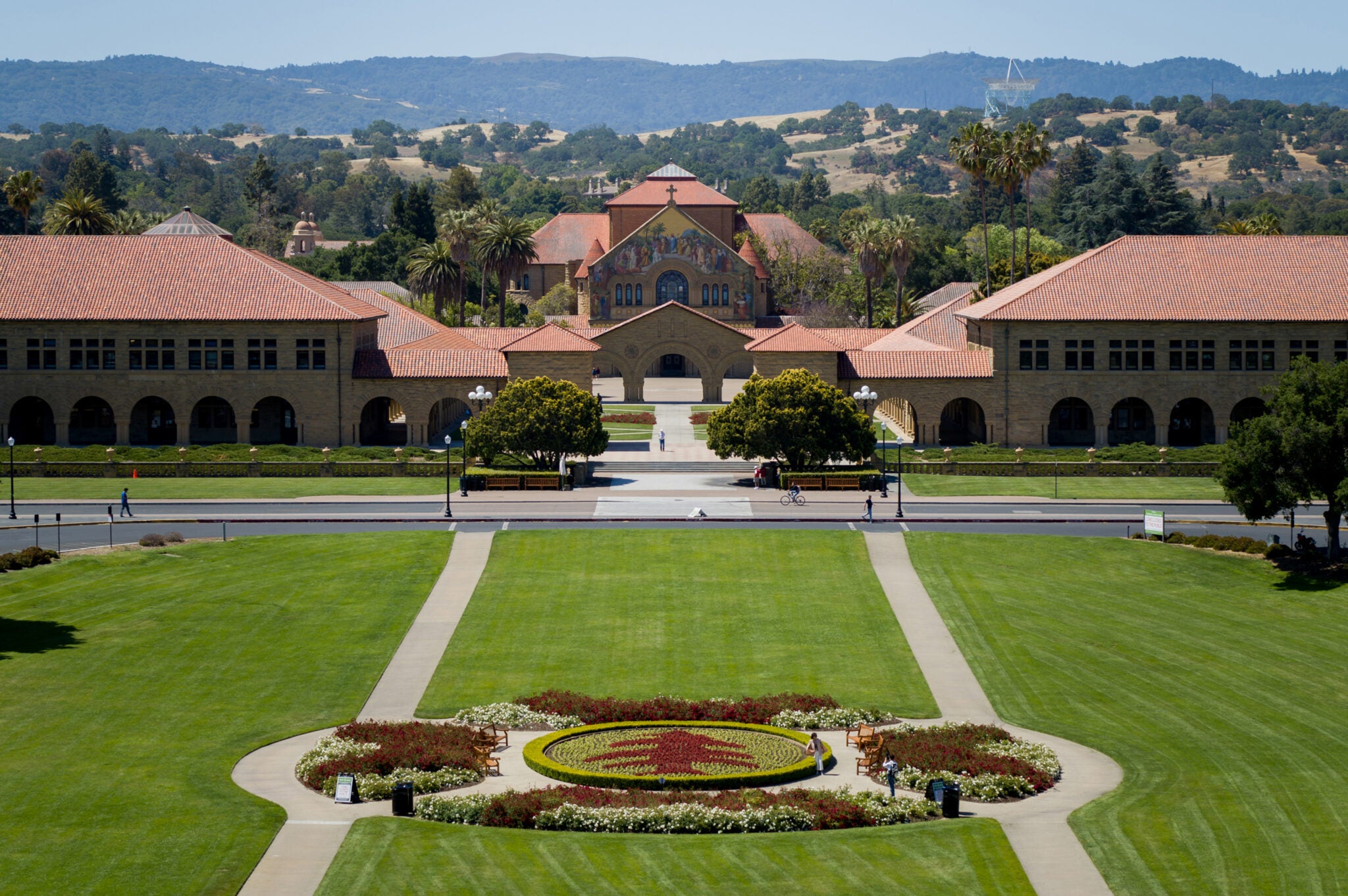
About the University of California, Santa Cruz (UCSC) GPA Calculator
University of California, Santa Cruz (UCSC) uses a letter-grade grading system on a 0.0–4.0 scale. The highest grade, A+, is worth 4.00 grade points, while D- (0.70) is typically the minimum passing grade. This calculator follows University of California, Santa Cruz (UCSC)'s official scheme (University of California, Santa Cruz (UCSC) Grading System), so the CGPA it returns matches what your transcript will show.
To calculate your GPA at University of California, Santa Cruz (UCSC), enter each course's name, credit hours, and the letter grade you received. The calculator weights every course by its credit hours and divides total grade points by total credits to produce your cumulative GPA — no signup required, and your inputs stay in your browser.
How University of California, Santa Cruz (UCSC)'s grading system works
What does an A+ mean at University of California, Santa Cruz (UCSC)?
An A+ is the highest grade awarded at University of California, Santa Cruz (UCSC) and is worth 4.00 grade points. This matches the top grade on the standard US 4.0 GPA scale.
What is a passing GPA at University of California, Santa Cruz (UCSC)?
The minimum passing grade at University of California, Santa Cruz (UCSC) is typically D-, with a grade point value of 0.70. Most programs require a cumulative GPA above this threshold to remain in good academic standing — your faculty may set a higher bar for specific degrees, scholarships, or honours.
How does University of California, Santa Cruz (UCSC)'s scale compare to the US 4.0 GPA?
University of California, Santa Cruz (UCSC) uses a 4.0 scale, which directly matches the standard US GPA system — no conversion needed.
CGPA vs SGPA at University of California, Santa Cruz (UCSC)
SGPA (Semester GPA) reflects performance in a single semester, while CGPA (Cumulative GPA) averages performance across every completed semester, weighted by credit hours. GPAWise handles both: enter the current semester's courses on the Calculator tab to compute your SGPA, then save it to the My CGPA Tracker tab to start building your cumulative record at University of California, Santa Cruz (UCSC).
Track your CGPA across semesters at University of California, Santa Cruz (UCSC)
The built-in CGPA tracker lets you save each semester after you calculate it, so you can watch your cumulative GPA evolve over time. You can save a semester in two ways: by course — enter every course on the calculator and click "Save as semester" — or as a quick entry, where you supply just the SGPA and credit hours (useful for past semesters where you don't want to re-enter every grade).
Each saved semester contributes to your CGPA using the standard weighted formula: Σ(SGPA × credits) ÷ Σ(credits). The tracker shows your running CGPA, total credits, and a trend arrow that compares your latest semester to the previous one — so you can see at a glance whether you're trending up or down. Semesters can be locked to prevent accidental edits, renamed, or deleted at any time.
Your tracker data stays on this device — nothing is sent to our servers, and no signup is required. A persistent "Clear all tracker data" option lets you wipe it whenever you want.
SGPA to CGPA at University of California, Santa Cruz (UCSC) — how the conversion works
Converting SGPA to CGPA isn't a one-line formula on a single SGPA — your CGPA is the credit-weighted average of every semester's SGPA you've completed. The standard SGPA to CGPA formula is:
CGPA = (SGPA1 × credits1 + SGPA2 × credits2 + … + SGPAn × creditsn) ÷ (credits1 + credits2 + … + creditsn)
In other words: multiply each semester's SGPA by the credit hours that semester carried, sum those products, then divide by the total credit hours across all semesters. Heavier semesters (more credits) pull the CGPA harder than lighter ones, which is why two students with the same average SGPA can end up with different CGPAs.
This page is effectively a University of California, Santa Cruz (UCSC) SGPA to CGPA calculator: enter your semesters (either by course or as quick SGPA+credits entries) and the tracker runs the formula above on every save, edit, and delete — so your CGPA is always accurate without you doing the arithmetic.
Add past semester GPAs without entering every course
You don't need to re-enter every course for older semesters. This is a GPA calculator with previous semesters support: on the My CGPA Tracker tab, choose Quick — SGPA + credits only and supply just three things — semester name, the SGPA you scored, and the credit hours that semester carried. That's it. The tracker then includes the past semester in your cumulative GPA on the next save.
The quick-add mode is the simplest way to add past semester GPA to your record — useful when you remember the SGPA from your transcript but don't want to type out each course again. It works as a GPA calculator without course details, and a GPA calculator with only SGPA, when that's all you have.
Mix and match freely: some semesters can be saved by course (full breakdown stored — you can expand each card later to verify the grades), and others can be quick-added as SGPA-only entries. Either way, the page acts as a calculate GPA from SGPA tool — the credit-weighted CGPA formula treats both modes the same way, so your final cumulative GPA is identical regardless of how you entered each semester.